
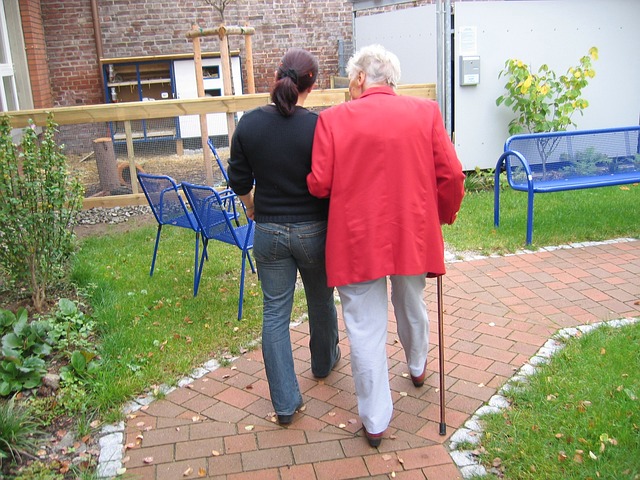
Resources to help Mom and Dad from Golden Placements:
Golden Placements helps you manage resources and takes care of the leg work. We offer resources for finding your best living situation so you can enjoy your best Golden Years. GPS has ideas gathered over years of experience by being Senior Life Specialists. Portland Senior Living and their various options from our Golden Girls specialists are IS NO COST.
Community living and finding the right living choice for you or your loved one is important. We help you navigate the details. Here are more resources to help you learn more about our services:
- You can call us today or continue to read more about Vitamins for Seniors
- Oregon Defines and Describes ADLs for us legally here: Long Term Care
- Golden Placements RESOURCES to find CARE Services
- Quality locations for you Senior Loved One with the Golden Girls
- Senior Living Near Me – Adult Home Placement
- Explore Residential Care Homes for Elderly “near me”
Diane Delaney, Placement Specialist Extraordinaire

Delaney is the founder of Golden Placement Services. She began this business with a healthy dose of compassion for helping families make educated decisions regarding senior placement. Focused to relieve stress in uncertain senior housing crucial moments. Diane brings about loving change of lifestyle with grace. Additionally, Diane is an accomplished executive manager, Director of Operations in senior housing. Emphatically, she enjoys sharing her experience. Diane enjoys writing about the full spectrum of the transition process for seniors and family members. Read more from Senior Placement Specialist Diane: Ultimate Senior Living Resource Guide >>
Stephanie Brubaker, Senior Placement Specialist

steph.goldenplacements@gmail.com | 971-263-8533 Stephanie got her start working as an administrator for Golden Placement Services. It served her well as she worked in sales and marketing while living in Austin, TX. Now that she is back in Oregon she’s excited to take the plunge and work alongside the Golden Girls as a placement specialist. She feels lucky to receive her training from experienced mentors, her mother Diane. Stephanie looks forward to being a part of the family whose main objective is to help your family through senior housing options with empathy, integrity, and compassion.